
When it comes to heating your home, choosing the right system can make all the difference in comfort, efficiency, and long-term savings. Many homeowners are now weighing the benefits of heat pumps against traditional heating systems like furnaces. Each option has distinct advantages depending on your budget, local climate, and energy preferences.
For homeowners in Houston, TX, where winters are mild and summers can be intense, understanding how these systems differ can help you make an informed, cost-effective decision that keeps your home comfortable year-round.
Definition and Technology
Before comparing performance and cost, it’s important to understand how each system works.
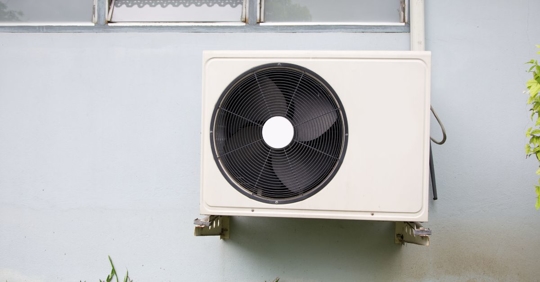
A heat pump transfers heat from one location to another using electricity. In the winter, it pulls heat from the outside air (or from the ground, in geothermal models) and moves it indoors. In the summer, the process reverses, providing cooling as efficiently as it provides heat.
A traditional heating system, such as a furnace, generates heat by burning fuel or using electric resistance. It’s designed primarily for heating, not cooling.
Key differences include:
- Heat pumps use refrigerant and compressors to move heat instead of generating it.
- Furnaces rely on combustion or electric coils to create heat.
- Heat pumps can both heat and cool, while furnaces are single-purpose systems.
This difference in technology affects not only performance but also cost, efficiency, and environmental impact.
Energy Efficiency and Environmental Impact
In terms of energy use, heat pumps are generally more efficient than furnaces because they transfer existing heat rather than generating new heat. This efficiency is reflected in higher COP (Coefficient of Performance) and SEER (Seasonal Energy Efficiency Ratio) ratings.
Benefits of heat pumps include:
- Reduced energy consumption and lower utility bills
- Smaller carbon footprint, especially when powered by renewable electricity
- Consistent comfort without heavy fuel dependency
Traditional systems, while dependable, tend to consume more energy and produce higher emissions, particularly when powered by natural gas or oil. For eco-conscious homeowners, a heat pump offers a cleaner, more sustainable option.
Cost Analysis
The cost difference between heat pumps and traditional heating systems typically comes down to installation versus long-term savings.
- Heat pumps: Higher upfront cost but lower operating costs over time due to efficiency.
- Furnaces: Lower initial cost but higher fuel and maintenance expenses in the long run.
For many homeowners, the return on investment favors heat pumps after several years of energy savings. However, if your existing system is newer or your region experiences extreme cold, a furnace may remain the more practical choice.
Temperature and Seasonal Performance
Climate plays a major role in determining which system performs best.
- Heat pumps: Excel in mild to moderate climates, offering year-round comfort.
- Furnaces: Better suited for colder climates where temperatures drop below freezing.
In Houston, TX, where winters are relatively mild, a heat pump is often the ideal solution. It efficiently handles both heating and cooling needs, eliminating the need for two separate systems.
Compatibility with Existing Systems
When upgrading or replacing your heating system, it’s important to consider how each option fits your current home setup.
- Heat pumps integrate easily into many existing HVAC systems and can also be installed as ductless mini-splits.
- Traditional furnaces may require ductwork or additional modifications, especially in older homes.
A professional HVAC assessment can determine which system will work best with your current infrastructure, helping you avoid unnecessary upgrades or installation issues.
Innovations in Heating Technology
Both heat pumps and furnaces have evolved significantly in recent years.
Modern heat pumps now feature:
- Variable-speed compressors for more precise temperature control
- Advanced refrigerants for improved energy transfer
- Smart thermostat integration for remote operation
Traditional furnaces have also advanced with features like:
- Modulating burners that adjust heat output
- Enhanced blower motors for consistent airflow
- Improved efficiency ratings that rival older models
These innovations make both systems more energy-efficient, quieter, and adaptable to today’s smart home technologies.
Installation Process and Requirements
Heat pumps generally require more complex installation than furnaces. They involve refrigerant lines, outdoor units, and specific electrical setups. Geothermal systems need additional groundwork.
Traditional furnaces are often simpler to install, especially if your home already has ductwork in place. However, a licensed HVAC technician is essential for both types of systems to ensure proper sizing, safety, and efficiency.
Maintenance and Longevity
Both systems perform best with regular maintenance, but their needs differ slightly.
Heat pumps:
- Require seasonal inspections and coil cleaning
- Typically last 15–20 years with proper care
Traditional furnaces:
- Need annual tune-ups and filter replacements
- Can last up to 20–25 years depending on usage and fuel type
Consistent maintenance from a trusted HVAC company helps extend system life and ensures efficiency throughout every season.
Customer Reviews and Satisfaction
Customer experiences often highlight the biggest strengths of each system:
- Heat pump owners appreciate lower bills, quieter operation, and dual heating/cooling capability.
- Furnace users value reliability and strong heat output during colder weather.
In Houston, TX, where temperatures rarely dip too low, most homeowners find that heat pumps deliver the perfect balance of comfort and energy savings.
Market Trends and Future Outlook
The heating industry continues to move toward energy-efficient and eco-friendly solutions. Heat pumps are gaining popularity as technology improves their performance in colder weather. Smart controls and hybrid systems that combine both technologies are also on the rise.
As sustainability becomes a bigger priority, heat pumps are likely to become the standard for many homes in warm and moderate climates like Houston’s.
Learn More About Your Heating System with Air Majesty A/C & Heating
For those considering upgrading or installing new heating systems, Air Majesty A/C & Heating is here to help. Whether you're interested in a cutting-edge heat pump or a traditional heating system, our team of expert technicians will provide guidance tailored to your specific needs. Contact us today to find out how we can enhance your home's comfort and efficiency with our top-notch heating solutions.
Call Air Majesty A/C & Heating now at (936) 256-2174 or reach out to us online.